 +994512060920


The Essence of Hardware
Computer technology consists of two fundamental parts: software and hardware. In this article, we will focus on the second part—the tangible, physical side of technology. Computer hardware refers to the collective name for all the mechanical, electronic, and electrical components that make up a computer system.
The etymology comes from the combination of the words "hard" (physical, rigid) and "ware" (product, goods). Everything from the processor to the monitor, from the keyboard to internal memory cards, falls into this category. If software is a set of digital instructions, then hardware is the mechanism that executes these instructions in the physical world. Without the mutual integration of these two systems, modern computing processes are impossible.
Historical Development and Evolution
The concept of hardware first took shape in the 1940s with the advent of electronic computing machines. The first computers of that era (such as the ENIAC) were massive in size and consisted of thousands of vacuum tubes. At that time, changing or upgrading hardware physically required moving cables and switches.
The invention of semiconductors, transistors, and later integrated circuits revolutionized the field of computer hardware. The microchips we use today develop according to Moore's Law, which states that the number of transistors placed on a chip of the same size doubles approximately every two years. This has led to the physical shrinking of components while multiplying their power.
Key Hardware Components of a Computer
A modern personal computer or server system consists of a combination of several critical physical parts. The overall performance of the system depends on the power of each of these parts and their compatibility with one another.
1. Central Processing Unit (CPU)
The Central Processing Unit is the main computational center of the computer. All mathematical calculations, logical operations, and software commands are processed here. The processor's speed (measured in Hertz) and core count determine how many operations the computer can perform simultaneously. Intel and AMD are currently the primary manufacturers in this field.
2. Motherboard
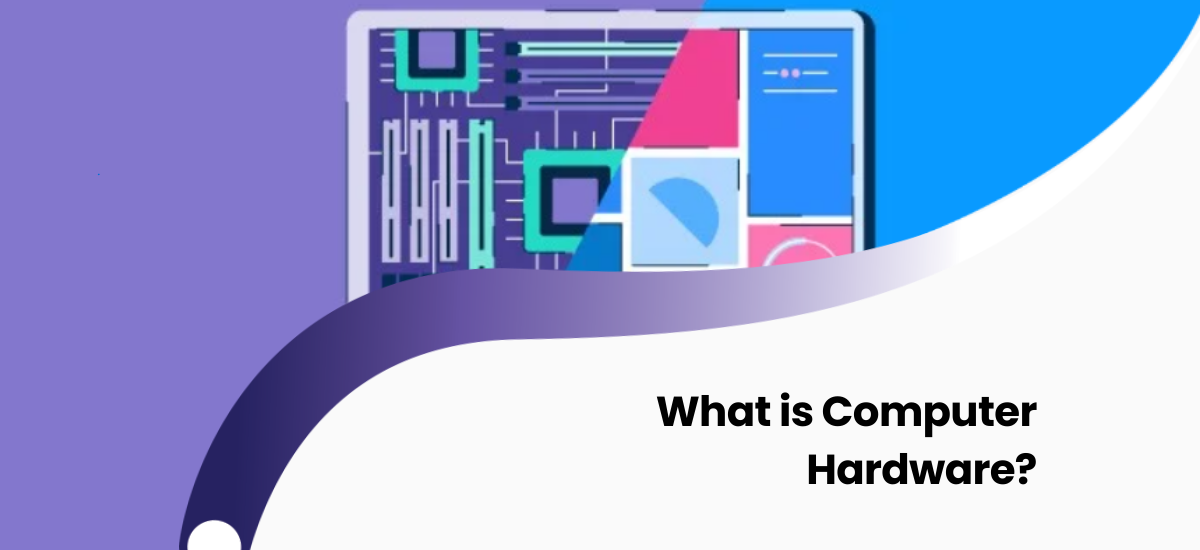
The motherboard is the main circuit board that connects all system components. The processor, RAM, hard drives, and other peripheral devices connect to specific slots on this board. The motherboard possesses buses that ensure the flow of electricity and data between parts of the hardware. A high-quality motherboard is a crucial condition for a stable system.
3. Random Access Memory (RAM)
RAM is the computer's temporary workspace. Active software and data currently being processed are stored here. The larger the volume of RAM, the more programs a user can work with simultaneously without the system freezing. When the computer is turned off, the data in RAM is erased.
4. Permanent Storage Devices (SSD and HDD)
These are devices used for the long-term storage of data. There are two main technologies here:
- HDD (Hard Disk Drive): A mechanical device working on magnetic disks. It has a large capacity but relatively slow operating speed.
- SSD (Solid State Drive): Microchip-based memory with no moving parts. It is significantly faster than an HDD and has become the standard for modern computers.
5. Graphics Processing Unit (GPU)
Also known as the video card, this device is responsible for processing images and outputting them to the screen. While previously considered important only for gaming and graphic design, today it plays a central role in Artificial Intelligence calculations and video editing tasks.
6. Power Supply Unit (PSU)
The PSU provides the electrical energy necessary for the components to function. It converts high-voltage current from the wall outlet into low-voltage power that the hardware parts can utilize and distributes it.
The Importance of Hardware and Selection Criteria
Users often attribute computer speed solely to software, but in reality, the physical limits of performance are defined by the hardware. Powerful computer hardware means faster workflows, time savings, and the ability to solve more complex tasks.
When choosing components, the following factors should be considered:
- Purpose: While mid-range equipment is sufficient for office tasks, engineering, design, or rendering work requires high-performance GPUs and multi-core CPUs.
- Expandability: The potential of the motherboard and power supply unit to support future upgrades should be considered.
- Compatibility: Technical compatibility between all parts is essential for the stable operation of the system.
Conclusion
In conclusion, computer hardware is the physical foundation of modern information technology. Every innovation we see in the digital world, from Artificial Intelligence to the global internet network, is possible thanks to the development of these physical components. Investing in the right hardware is essentially an investment in efficiency and sustainability.