 +994512060920



In an era of rapid digital transformation, having a strong online presence is no longer just an option for businesses—it is a vital necessity. Whether you are a small startup or a large holding company with years of history, your customers are searching for you on the internet first. It is at this precise moment that entrepreneurs face a critical question: "How do I create the perfect website for my business?"
Unfortunately, in many cases, the process of website development is perceived by business owners solely as a visual task. The approach of "make the colors match my brand and make the logo bigger" is often the fundamental reason why digital projects fail. In reality, professional website creation requires a complex synthesis of engineering, precise marketing strategy, and an understanding of user psychology.
If you do not want to waste your budget and are aiming for a project that generates real sales and leads, you must demand that the development company adheres to the following 8 technical and strategic parameters when you decide to order a website.
1. Mobile Compatibility (Responsive Design)
According to recent statistics, approximately 70% of global internet traffic comes from mobile devices. This trend is equally strong in local markets. This means that 7 out of every 10 potential clients visiting your resource are doing so via a smartphone.
Your first and most important requirement must be responsive design. But what exactly is it?
Responsive design is the ability of a website to automatically adjust its layout and content based on the screen size of the user's device (Monitor, Laptop, Tablet, Mobile Phone). In the old approach, a separate "m.site.com" version was created for mobile. However, modern technology dictates a single code base that works perfectly everywhere.
Why is this critical? Google has switched to a "Mobile-First Indexing" system. This means Google evaluates your website not based on its desktop version, but specifically on its mobile version. If you do not have a high-quality responsive design, high SEO rankings are simply impossible to achieve.
2. Technical SEO Infrastructure: The Invisible Hero
Imagine a shop with a luxurious design and expensive window displays, but built in a basement where no road leads. A website without SEO (Search Engine Optimization) is exactly like that.
Clients often think that SEO work begins after the website is finished. This is fundamentally wrong. Professional website development must be conducted with SEO standards in mind from the very first line of code. Here are the key points you need to demand:
- URL Structure: Links must be clear and readable (e.g., site.com/products/shoes), not a string of random characters.
- Meta Tags: The ability to change the "Title" and "Description" for every single page via the admin panel.
- Sitemap.xml and Robots.txt: These files should be generated automatically so that search engine bots can easily scan and index your site.
- Alt Tags for Images: The ability to tag images with descriptions so you can be found in Google Images search results.
3. Dynamic and User-Friendly Admin Panel
Business is a living organism. Today the price of a product changes, tomorrow a new campaign starts, and the day after, a new member joins your team. Do you want to call a programmer and pay extra for every minor change?
Of course not. Therefore, when you decide to order a website, a mandatory condition must be the inclusion of a functional admin panel (CMS - Content Management System). A good control panel should give you the following capabilities:
- Edit text without any coding knowledge.
- Upload photos and videos using a drag-and-drop method.
- Activate or hide pages instantly.
- View incoming orders and messages in a dashboard.
Remember, the "front" of the site (Frontend) is for the client, but the "back" (Backend and Admin Panel) is for your convenience. At Crocusoft, we provide our clients with the most intuitive content management solutions available.
4. Speed and Performance (Page Speed)
The attention span of a modern user is only about 3-5 seconds. If your website takes longer to load, 40% of visitors will leave before it even opens. This translates to lost customers and wasted advertising budget.
Requirements for a fast website include:
- Clean Code: A structure stripped of unnecessary "bloatware" and redundant scripts.
- Image Optimization: Compressing images without losing quality (using Next-Gen formats like WebP).
- Caching: A system that allows pages to open faster upon repeat visits.
- Powerful Server (Hosting): The correct choice of server resources where the site is hosted.
Google's "Core Web Vitals" algorithm always prioritizes fast-loading websites in search results.
5. Security and SSL Certificate
Cybersecurity is important not just for banks, but for any web resource. If your website collects user data (names, numbers, emails), protecting that data is your legal and ethical obligation.
Demand the installation of an SSL Certificate so that a padlock icon appears in the browser's top-left corner, and the address starts with "https://" rather than "http://". This certificate ensures the encryption of transmitted data. Browsers mark sites without SSL as "Not Secure," which instantly kills client trust.
6. User Experience (UX/UI Design)
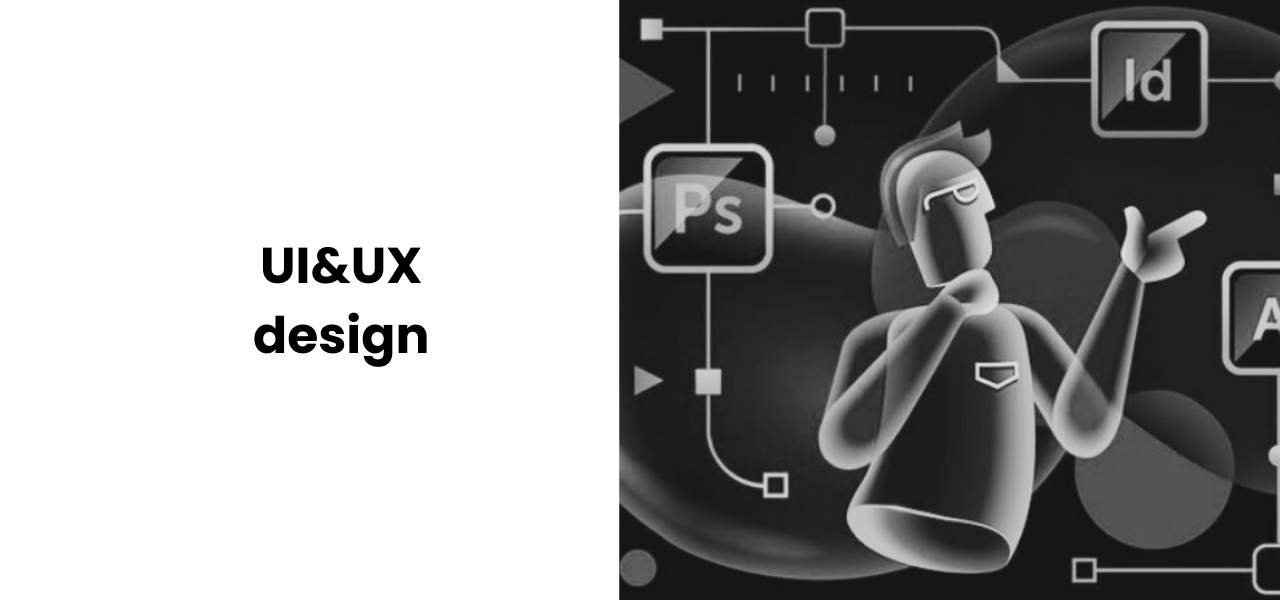
Visual beauty (UI — User Interface) is important, but ease of use (UX — User Experience) is even more critical. The user must find the necessary information via the shortest possible path.
During the website creation process, ask the designer the following questions:
- Are the navigation menus clear and logical?
- Do the "Contact Us" and "Order Now" buttons stand out?
- Are readable fonts being used?
- Does the color psychology match your brand identity?
Confusing websites that look like mazes do not sell—they only cause headaches.
7. Analytics and Tracking Tools
Peter Drucker famously said, "You can't manage what you can't measure." Installing analytics tools is mandatory for tracking the effectiveness of your website.
When accepting the project, demand that the company integrates:
- Google Analytics 4 (GA4): How many people visited? Which pages did they read? Which city are they from?
- Google Search Console: What keywords are people using to find you on Google? Are there any technical errors on the site?
Building a marketing strategy without these tools is like looking for a black cat in a dark room.
8. Technical Support and Warranty
Work does not end after the project is handed over. A website is a live system that requires updates. In your contract to order a website, ensure you have answers to these questions:
- Who will fix a code error if it is discovered later?
- What is the warranty period? (Typically 3-12 months).
- What will be the hourly rate if you want to add new functionality in the future?
Conclusion
When creating a website, it is not enough to focus only on beautiful design. A high-performance, SEO-optimized, secure, mobile-compatible (responsive design), and user-friendly website is the key to your online success. By applying these 8 golden rules, you will not only satisfy your customers' needs but also stand out from your competitors.
The Crocusoft team takes an individual approach to every project and offers high-quality solutions that meet all these standards. If you want to create a website that will take your business to the digital summit, contact us today!