 +994512060920


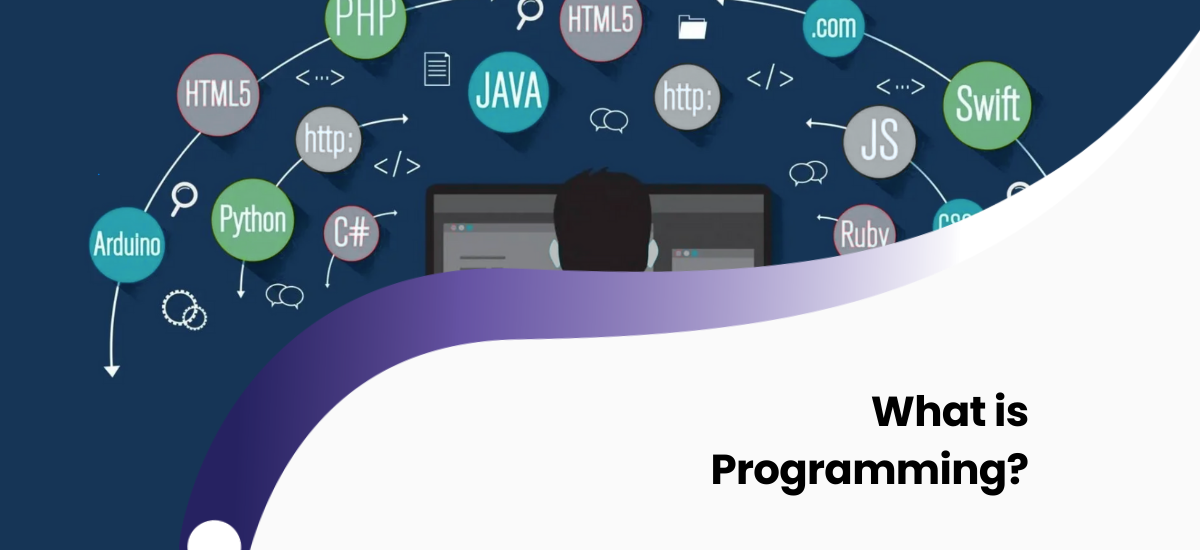
Programming is the process of controlling computers to perform specific tasks using code, and it is one of the most promising fields that, with the right approach, can be learned from scratch both at home and through courses.
Today, the social media apps we use daily, the systems managing our bank accounts, and even the control panels of modern cars are possible thanks to programming systems. This field, which is the cornerstone of the digital world, has become not just a technical skill in the 21st century, but also a global career opportunity.
For many, this field may seem dark and complex. Is it difficult to learn programming? Which programming languages are the most popular? Are programming courses essential? In this comprehensive article, we will dive into details that competitors miss and provide the most complete roadmap for those looking to build a career in the programming specialty.
What is Programming? Understanding the Essence
In simple and understandable terms, what is programming? It is the communication process between humans and computers. Just as people speak to each other in English or Spanish, programmers explain to the computer what it needs to do using special commands (codes).
Computers are not smart on their own; they are merely "calculating machines" that execute given commands at incredible speeds. The programmer's job is to translate these commands into a language the computer understands. As a result, a few lines of code you write turn into a colorful button on the screen, a moving character, or a complex report table.
Programming Specialty: Which Field Should You Choose?
The point that confuses beginners the most is choosing a field. Just as there are surgeons, therapists, or dentists in medicine, the programming specialty is divided into several main branches. Making the right choice is crucial for the rapid development of your career.
1. Web Programming (Web Development)
Today, this is the most popular field where finding a job is relatively easy. It is divided into two parts:
- Frontend: This is the "storefront" of the site. Everything the user sees and touches (buttons, animations, design) is created here. Ideal for those with visual taste.
- Backend: This is the "engine" of the site. Servers, databases, and security are managed here. Suitable for those with strong logical and algorithmic thinking.
- Full Stack: Universal specialists who possess knowledge of both Frontend and Backend.
2. Mobile Programming (Mobile Development)
In an era where smartphones have taken over our lives, creating mobile apps is one of the most profitable fields. By developing apps for Android and iOS platforms, you can reach both local and global markets.
3. Data Science and Artificial Intelligence (AI)
The trend of the modern era. The analysis of Big Data and building Machine Learning models belongs to this field. It is considered the most promising field of the future.
Most Popular Programming Languages
Depending on the field you choose, the programming languages you need to learn will also vary. Each language has its own strengths and use cases:
- Python: One of the easiest languages to learn. Its syntax is very close to the English language. Mainly used in Artificial Intelligence, Data Science, and Backend fields.
- JavaScript: The "king" of the web world. Almost every interactive site you see on the internet is written in this language. Essential for Frontend.
- Java: A powerful language proven over years, used for large corporate systems (banking) and Android applications.
- C#: Created by Microsoft. Ideal for creating games (Unity) and Windows programs.
- Swift: The choice for those who want to write apps for the Apple ecosystem (iPhone, iPad, Mac).
Important Programming Tools
Knowing a language is not enough to write code. You must be able to work with programming tools that speed up the workflow and improve code quality. A professional programmer's "bag" must include:
- IDE (Integrated Development Environment): Special software where code is written. For example, Visual Studio Code (most popular), IntelliJ IDEA, or PyCharm. These tools show your errors and make writing code easier.
- Git and GitHub: Version control system. Indispensable for keeping the history of written code, working together with a team, and showcasing your portfolio.
- Docker: A containerization tool that ensures apps run the same way in different environments.
Learning Programming: Courses or Self-Study?
This is the topic beginners discuss the most. Which path is more effective to learn programming? Let's compare both approaches.
Self-Study
Learning independently through internet resources (YouTube, documentation, forums).
- Pros: Completely free. You can learn at your own pace, anytime.
- Cons: No systematic program. Finding answers to questions takes time. Motivation can fade quickly, and there is a high probability of going in the wrong direction.
- Who is it for? Those with strong will, who love research, and have a high level of English proficiency.
Professional Programming Courses
Education via a special curriculum under the guidance of experienced mentors.
- Pros: A ready roadmap is provided. Your mistakes are corrected immediately. You work on real projects. Teamwork (Networking) is formed.
- Cons: Requires financial investment. You need to adapt to a specific schedule.
- Who is it for? Those who want quick results, need career support, and value live interaction. Professional programming courses take you from scratch and prepare you as a market-ready specialist.
Career Opportunities and Programmer Vacancies
At the end of all the effort stands the main question: Will I be able to find a job? The answer is unequivocally: Yes. As digitalization grows, the demand for programmers increases exponentially.
Today, there are thousands of programming vacancy announcements in the local and foreign markets. Companies are looking not just for specialists with diplomas, but for personnel with real skills and portfolios. Job opportunities are not limited to the office; you can earn income in dollars by working on foreign projects via "Freelance" platforms (Upwork, Fiverr).
3 Golden Rules for a Successful Career:
- Learn Continuously: Technology updates every day. Yesterday's knowledge may not be enough today.
- Build a Portfolio: Employers look at what you have created, not just what you know. Fill your GitHub profile with projects.
- English Language: Code is written in English, documentation is in English. This language is the key to your career.
Conclusion
Programming is not just writing code; it is a way of thinking, the art of problem-solving. This field gives you freedom, high income, and the opportunity to work in a global world. Whether you sign up for courses or start at home – the main thing is to take the first step and be consistent.
Frequently Asked Questions (FAQ)
Is mathematics mandatory for learning programming?
No. Except for Data Science and complex game development, simple school math and strong logic are sufficient in most fields (Web, Mobile).
How long do programming courses last?
Intensive courses usually last 6-9 months. During this time, you can reach the Junior specialist level.
Which programming language brings the most money?
Salary depends more on your experience than the language. However, currently, specialists in Python (AI), Java (Banking), and GoLang (Backend) receive high salaries.
Is there an age limit?
Absolutely not. Programming can be learned at 15 or 40. The main criterion is skill.