 +994512060920


Every recruitment team knows this scenario: a new vacancy opens up, and CVs start pouring in like rain. Some candidates apply to the official HR email, some message via LinkedIn, while others are forwarded by managers through WhatsApp. Interviews are scheduled and conducted, but the manager's feedback gets buried in Slack channels or verbal chats. By the time you are ready to send a job offer, you discover the candidate has already signed with a competitor.
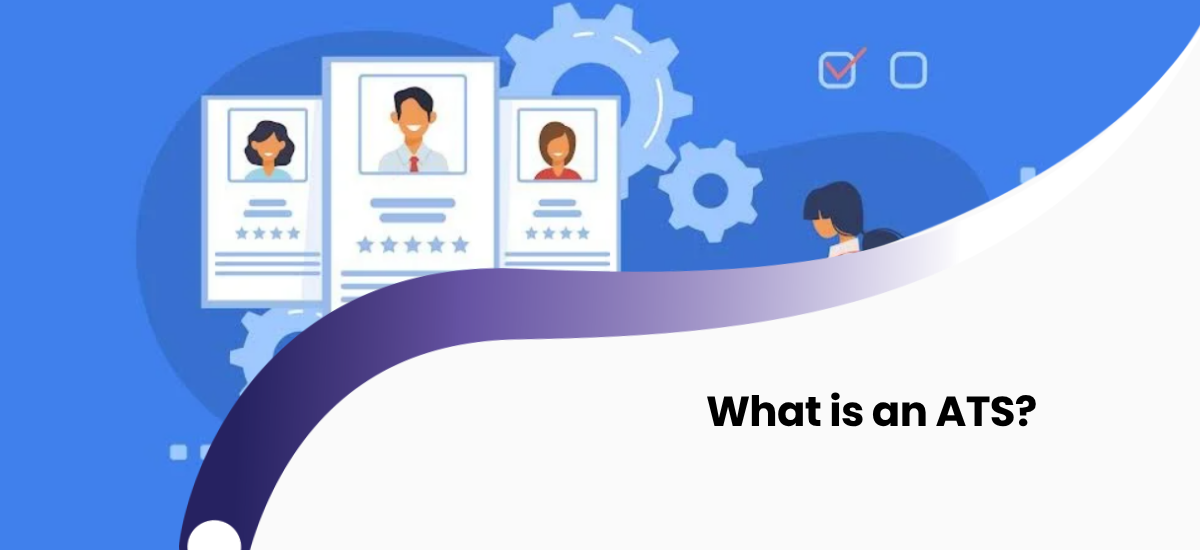
This is exactly where an ATS (Applicant Tracking System) comes to save the day. An ATS replaces scattered emails, chaotic personal notes, and complex Excel spreadsheets with a single digital pipeline. This ensures that every candidate’s status, who they are waiting on for feedback, and the next step in the process remain completely transparent to everyone involved.
In this article, we break down what an ATS replaces in your recruitment workflow, how to build a successful candidate management pipeline, and why a custom-built solution outperforms generic software.
What an ATS Actually Replaces
An ATS is a software platform that manages your entire hiring lifecycle from vacancy posting to the final job offer. It digitalizes and structures both internal and external candidate flows.
Who uses it: HR directors, recruiters, hiring managers, and decision-makers involved in the hiring process.
When to implement it: When your company is growing rapidly, hiring volumes are consistently high, and delays in candidate communication are causing you to lose top talent to competitors.
The outcome: Faster time-to-hire, an improved candidate experience, and a secure, searchable internal CV database for future roles.
The Hidden Costs of Manual Recruitment
Tracking resumes in folders or logging statuses in Excel might seem easy in the beginning. However, as your organization scales, this manual approach triggers costly issues:
- Top-tier candidates are forgotten because their resumes sit in individual, siloed inboxes.
- Internal feedback loops stall; hiring managers lose track of candidate profiles within long email threads.
- Duplicate applications go unnoticed, leading to redundant interviews and a waste of resources.
- Data privacy regulations are easily breached because personal candidate information is stored unsafely.
- HR teams cannot pull accurate analytics, leaving the business blind to the cost-per-hire or the most effective sourcing channels.
A well-structured ATS turns every application into a distinct candidate card with an assigned stage and owner.
Core Components of a Great ATS Architecture
A high-performing ATS is much more than a database. It is a suite of tools designed to automate repetitive recruiting tasks.
1. Centralized Resume Parsing
Resumes coming from various sources (LinkedIn, job boards, direct applications) should automatically feed into the system. Resume parsing technology reads the CV, automatically extracting and populating the candidate’s name, contact info, experience, and skills into their profile card, saving recruiters hours of manual data entry.
2. Visual Candidate Pipeline
The hiring journey is visualized through a clean Kanban board: Applied, Screening, Interview, Practical Assessment, Final Meeting, and Job Offer. Recruiters can move candidate cards across stages using simple drag-and-drop actions, making the overall status clear at a glance.
3. Collaborative Evaluation
Hiring managers and HR teams can write internal notes and rate candidates using a 5-star scoring system directly inside the profile card. Tagging team members within the platform eliminates external check-ins and speeds up decision-making.
4. Automated Communication Templates
The number one complaint from candidates is never hearing back after applying. With an ATS, changing a candidate's status can trigger personalized, automated templates such as "Application Received", "Interview Invitation", or "Rejection Mail", greatly strengthening your employer brand.
Email & Excel vs. Structured ATS Systems
| Aspect | Email & Excel Management | Modern ATS System |
|---|---|---|
| Application Intake | Scattered across personal emails and messaging apps | Unified career page and automatic job board integrations |
| Sourcing Candidates | Searching through old email archives and folders manually | Instant keyword and skill-based database search |
| Internal Feedback | Forwarding emails or chasing managers verbally | Shared notes and scorecards directly inside the candidate profile |
| Scheduling Interviews | Endless back-and-forth emails to find a matching time | Calendar syncing and automated video interview links |
| Candidate Engagement | Manual outreach, often leading to ghosted candidates | Stage-triggered automated communication templates |
| Job Offer Generation | Drafting Word documents manually for every hire | System-generated offer templates with built-in approvals |
| Analytics & Reporting | Non-existent or prone to human error | Real-time dashboards tracking pipeline velocity and recruiter speed |
Challenges to Expect When Deploying an ATS
Transitioning to an ATS can run into organizational hurdles if not planned correctly:
- User Adoption Resistance: Hiring managers might bypass the system, preferring verbal feedback or quick WhatsApp messages. To counter this, using the platform must be established as a standard internal policy.
- Overcomplicated Application Forms: Requiring candidates to fill out 15 different text fields just to apply will tank your conversion rates. Keep forms simple and mobile-friendly.
- Localization Gaps: Off-the-shelf global SaaS solutions often struggle to adapt to local hiring regulations, localized job board integrations, and regional linguistic nuances.
Building Your Custom ATS System with Crocusoft
Your hiring workflow reflects your unique organizational culture and internal procedures. Standard templates often fail to integrate with local career portals, complicate regional language compliance, and cannot sync smoothly with your existing ERP or CRM platforms.
At Crocusoft, we design custom ATS platforms tailored to your specific recruitment workflows, offering native language support and seamless integration with your internal company systems. Investing in custom software is the most sustainable way to free your recruiters from manual data entry and transform your candidate pool into a secure, digital asset.
Looking to automate your hiring process and scale your talent operations? Get in touch with Crocusoft experts today to design the ideal ATS solution for your business →