 +994512060920


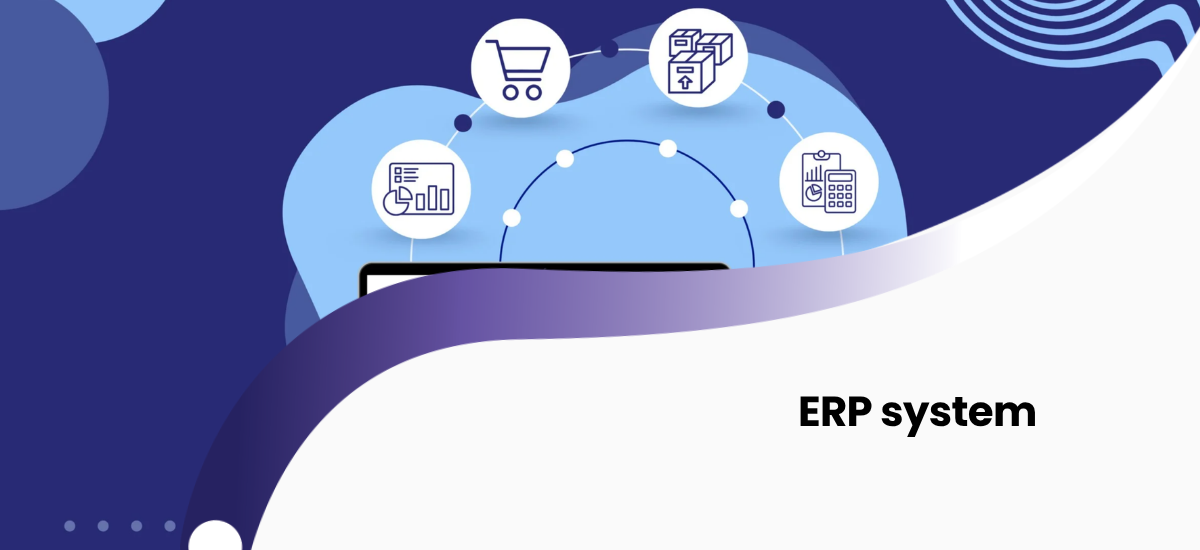
In the digitalized modern business world, a company's growth and ability to withstand competition are not limited to simply making good sales; the core issue is how backend operations are managed. Storing data in different departments, separate Excel files, or small disconnected programs creates both a massive waste of time and serious financial losses for companies. To eliminate all this chaos and manage the company from a single centralized brain, modern businesses turn to enterprise resource planning systems. Below, we explain all aspects, types, and application areas of this global technology in detail.
What is ERP
What is ERP is one of the questions most frequently researched by company executives in the modern era. Standing for "Enterprise Resource Planning", this concept is essentially a complex software package that allows an organization to manage all its daily operations, expenses, and revenues from a single unified platform. The core essence of such software is to gather all company departments—such as finance, human resources, production, logistics, and sales—into a central database, preventing data duplication and ensuring that critical decisions are made in real-time.
ERP system
ERP system acts as the bloodstream of the organization, carrying out data flow between departments seamlessly and within seconds. Imagine a sales representative signing a new contract with a customer and entering it into the platform. At that exact moment, the system automatically sends a notification to the warehouse to deduct the relevant goods, simultaneously generates an e-invoice in the accounting department, and updates the revenue indicator on the management's dashboard. The greatest advantage of this architecture is that it protects data integrity using the "single source of truth" principle. Consequently, data loss, errors caused by the human factor, and interdepartmental communication breakdowns are completely reduced to zero.
ERP software
ERP software selection is one of the most critical decisions that will determine the 5-10 year growth strategy of any business. There are solutions with vastly different features available in the market. When choosing a platform, you must carefully consider your company's size, existing IT infrastructure, and budget constraints. Some companies prefer cloud-based (SaaS) programs that operate on a monthly subscription because this eliminates initial server costs and drastically increases flexibility. However, banks, large industrial enterprises, and government agencies that require maximum data confidentiality invest in special, fully customized (On-Premise) programs to ensure their sensitive data is stored exclusively on internal servers.
ERP management
ERP management approach is not merely an IT project, but a fundamental transformation of the company's entire business philosophy and corporate culture. Through this management method, executives minimize operational costs, proactively predict risks within the supply chain, and significantly boost overall team productivity. Thanks to powerful Business Intelligence tools, leaders can analyze the company's Big Data to instantly resolve existing operational bottlenecks while accurately forecasting future market and sales trends.
What is Micro ERP
What is Micro ERP is a topic heavily researched, especially by small and medium-sized enterprises (SMEs), fast-growing startups, and individual entrepreneurs. Unlike global corporate systems that require multi-million dollar budgets, micro systems are highly affordable, fast-to-install, and user-friendly solutions equipped with fewer modules (typically limited to core accounting, simple inventory, and sales). If your company has fewer than 50 employees and operates without complex manufacturing processes, implementing a cloud-based micro platform instead of heavy, expensive architecture will be the most optimal and cost-effective choice for your business.
What is SAP
What is SAP? For those wondering, it is the largest German-origin software corporation that currently leads the global enterprise resource planning market. SAP (Systems, Applications, and Products in Data Processing) is extensively utilized by massive holdings, oil and gas conglomerates, international banks, and global logistics giants listed in the "Fortune 500". The greatest strength of this powerhouse is its incredible level of detail and its ability to be fully adapted to the specific legislation, tax codes, and operational nuances of any country in the world.
Core Modules of the System: The Heart of the Architecture
Although all these platforms serve a unified macro purpose, they consist of specific modules (sub-systems) designed to meet the precise needs of different company departments. Each of these modules functions perfectly on its own while remaining in constant, real-time synchronization with the central database:
- HRM (Human Resources): Fully automates the entire employee lifecycle, including recruitment, attendance tracking, vacation requests, performance evaluations, and complex payroll calculations.
- Finance and Accounting: Regarded as the heart of the company, this module meticulously manages all incoming and outgoing cash flows, automated tax returns, and strict budget planning.
- CRM (Customer Relationship Management): Intelligently tracks potential clients (Leads), ongoing sales pipelines, targeted marketing campaigns, and customer support tickets.
- SCM (Supply Chain Management): Makes the entire logistics chain 100% transparent, from purchasing raw materials from the initial supplier to delivering the final manufactured product to the end consumer.
- Inventory and Warehouse: Strictly monitors the quantity of products in the warehouse, tracks expiration dates, and automatically generates a purchase order the moment any critical item runs low.
Conclusion
Regardless of whether you implement giant solutions that are global market leaders or agile local micro systems, transitioning to a unified management architecture is inevitable for your business to survive and thrive in the digital age. This transition is not merely an expense; it is the single most valuable investment that will drastically reduce your company's operational costs, multiply its revenues, and maximize its decision-making speed over the next decade.
Frequently Asked Questions
How should I choose which software is right for my company?
The selection process depends entirely on your company's total employee count, specific industry type (manufacturing, service, or retail), and available IT budget. Small retail shops and service agencies should utilize micro systems, while large-scale factories with complex production lines and corporate holdings should deploy SAP or fully custom-written software solutions.
How many months does it take to install these systems?
The implementation of cloud-based, ready-to-use micro solutions can typically be completed within a rapid 1-4 weeks. However, coding large systems fully customized to a company's unique internal processes, executing secure data migration, and conducting comprehensive employee training can take anywhere from 6 months to over 1 year, depending on the project's overall complexity.
What skills are required for vacancies in this field?
To secure a job in this highly lucrative field, companies primarily require candidates to possess a strong ability to analyze complex business processes, proficiency in working with SQL and relational databases, a solid understanding of accounting basics, and—if applying as a developer—mastery of relevant programming languages such as C#, Python, or Java.