 +994512060920


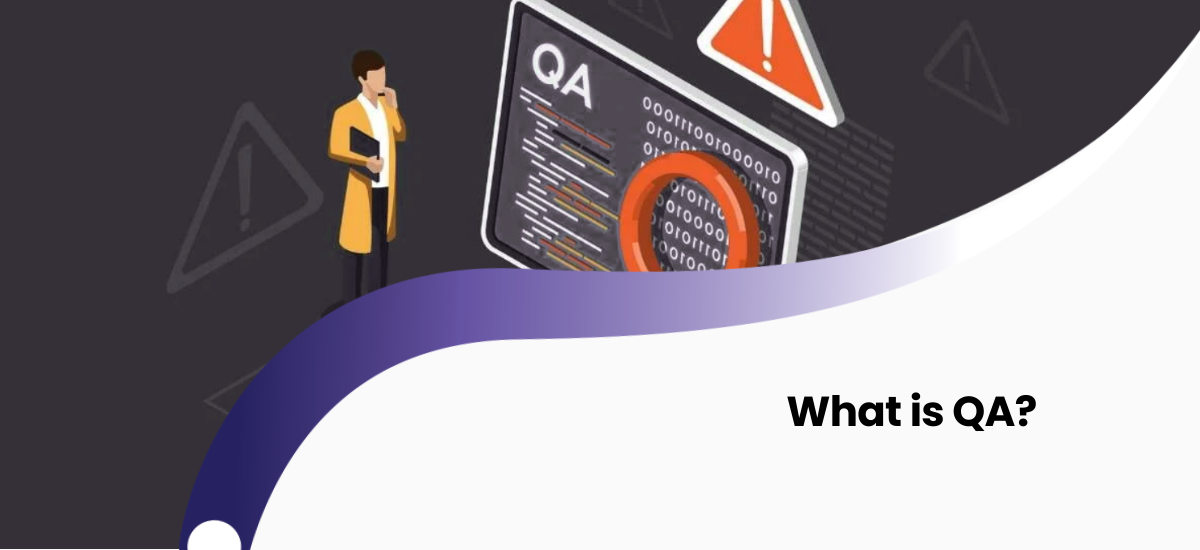
Anyone interested in the IT industry often encounters these questions: What is QA? What does a QA Tester actually do? And what are the responsibilities of a QA Manager? These terms, essential for the flawless operation of software, actually refer to distinct professional roles and processes.
In this article, we will explore not just the theory, but the real-world differences between a QA/QC Manager, a QA Engineer, and a Tester, as well as the tools they use to ensure software quality.
What is QA (Quality Assurance)?
QA (Quality Assurance) is a process established to maintain quality standards during software development. The primary goal of QA is not just to find bugs, but to prevent them from occurring in the first place.
To put it simply: A QA Specialist ensures the team follows the right recipe while cooking. A Tester tastes the food after it’s cooked to see if it’s salty enough.
QA Tester vs. QA Engineer: What is the Difference?
Job postings often interchange titles like QA Tester and QA Engineer. But are they the same?
1. QA Tester
A QA Tester focuses on validating the finished product. Their main task is to use the application as an end-user would, find "bugs" (errors), and document them.
Key Skills: Attention to detail, Manual Testing, writing Test Cases.
2. QA Engineer
A QA Engineer takes a more technical approach to the process. They don't just find errors; they analyze the root cause of why they happened and often write automated scripts.
Key Skills: Programming (Java, Python), Automation Testing, SQL, API Testing.
Leadership Roles: QA Manager and QA/QC Manager
For professionals advancing in their careers, the next step involves management roles:
- QA Manager: Leads the entire testing team. They decide which tests to run and when, select the tools (e.g., Jira, Selenium), and calculate project risks.
- QA/QC Manager: In some companies, these roles are combined. This person oversees both process quality (QA) and the final product inspection (QC - Quality Control). They are the key decision-maker who authorizes the product release to customers.
Manual Testing vs. Automation Testing
For those asking "What is QA?", understanding these two concepts is mandatory:
Manual Testing
The tester checks the software like a human user. They click buttons, register accounts, and look for design flaws. This is indispensable for creativity and User Experience (UX) testing.
Automation Testing
Code is written to perform repetitive tasks. For example, using tools like Selenium or Cypress to log into a system 1,000 times simultaneously. This saves time and eliminates human error.
Tools Used by QA Professionals
A professional QA Tester or QA Engineer must be proficient in the following tools:
- Bug Tracking: Jira, Trello.
- API Testing: Postman, SOAP UI.
- Automation: Selenium WebDriver, Appium (for Mobile testing).
- Performance Testing: JMeter (for system load testing).
Conclusion: Why is a QA Career Promising?
In the modern world, every company is becoming a software company. From banking apps to e-commerce sites, there is a massive need for QA Managers and QA Testers everywhere. If you are detail-oriented, have an analytical mind, and are interested in technology, the QA field is the perfect starting point for you.
Frequently Asked Questions (FAQ)
What is the difference between QA and QC?
QA (Quality Assurance) focuses on the process and preventing errors (Proactive). QC (Quality Control) focuses on the product and finding errors (Reactive). A QA Tester can be involved in both.
Can I become a QA Tester without coding knowledge?
Yes. You do not need deep coding knowledge to start a career as a Manual Tester. However, to advance to a QA Engineer or QA Manager level, learning SQL and a programming language is highly recommended.
What is the salary of a QA Manager?
This depends on experience and the company. However, because the QA Manager role carries significant responsibility, it is considered one of the higher-paying positions in the IT sector.