 +994512060920


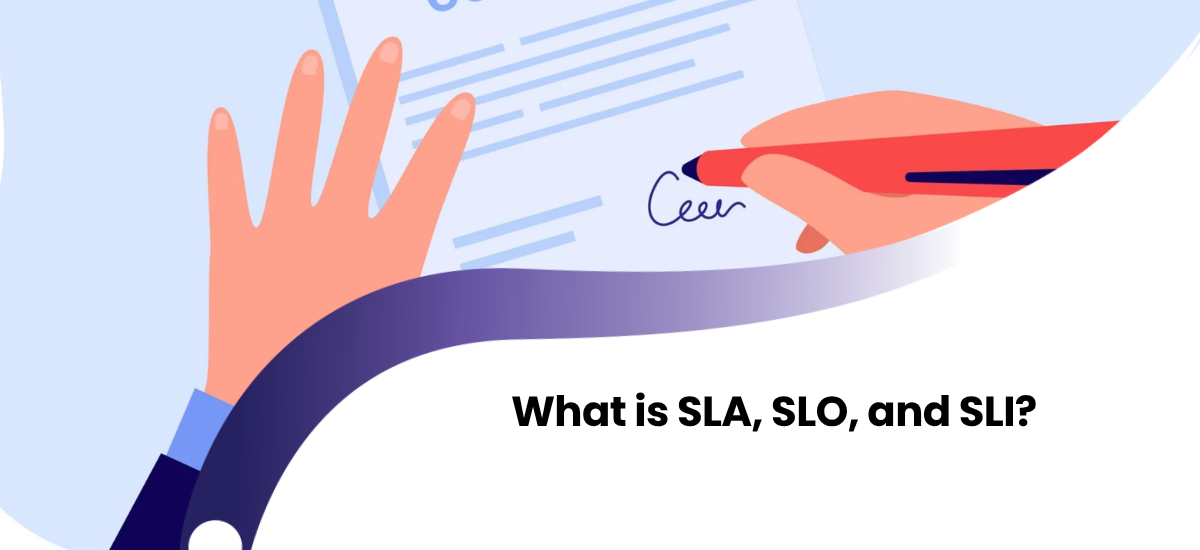
When reading a technology service or software contract, you are highly likely to encounter complex-sounding phrases like "99.9% Uptime SLA guaranteed." Or perhaps your tech support provider proudly tells you, "We always respond according to our internal SLOs." But what do these acronyms actually mean, and more importantly—how critical are they to your business continuity and budget?
In this article, we explain the three core concepts that govern the technical service world, the exact differences between them, and why you must be extremely careful when signing software contracts, all in simple, clear business language.
What is SLA and how does it legally protect your business?
What is SLA (Service Level Agreement)? The shortest and most accurate answer is: it is a formal, legally binding contract signed between a provider and a client that defines the minimum acceptable quality standards of a service. This document not only provides you with a technical guarantee but also grants you the right to claim compensation if problems arise.
What are the Typical Elements of an SLA?
- Uptime Guarantee: "The system will be operational and accessible 99.9% of the year."
- Response Time: "The support team will react within 1 hour when a critical issue is reported."
- Resolution Time: "A critical system failure will be completely resolved within a maximum of 4 hours."
- Compensation Terms: "If the SLA is breached, the provider will refund a specific percentage of the monthly service fee (or issue service credits)."
What Does 99.9% Uptime Actually Mean in Reality?
Those tiny decimal percentages in the contract translate into massive time differences in reality:
| Uptime Guarantee | Allowed Yearly Downtime | Allowed Monthly Downtime |
|---|---|---|
| 99% | 87.6 hours | 7.3 hours |
| 99.9% | 8.7 hours | 43.8 minutes |
| 99.95% | 4.4 hours | 21.9 minutes |
| 99.99% | 52.6 minutes | 4.4 minutes |
For example, for an active e-commerce platform, a 99.9% uptime translates to a potential 43 minutes of downtime per month. If this outage happens during a peak event like Black Friday, that short period can cause a devastating loss of revenue.
What is SLO and how does it shape internal team goals?
What is SLO (Service Level Objective)? Unlike a client-facing contract, an SLO is a strict internal target set by the provider's technical team for themselves. An SLO is always set higher and safer than the SLA promised to the customer.
The core logic here is to create a safety buffer. If the provider promises the client 99.9% availability via the SLA, the technical team's internal target (SLO) might be set at 99.95%. When the system performance dips below this buffer, the team is instantly alerted and fixes the issue before the customer-facing SLA is ever breached.
What is SLI and how are real metrics calculated?
What is SLI (Service Level Indicator)? You can think of this as a digital speedometer. It is the exact measurement metric that shows, in real time, whether the provider is successfully meeting their defined SLO. If the goal is "to be operational 99.9% of the time," the SLI calculates this precise number using the formula: "ratio of successful requests to total requests."
Most Commonly Used Types of SLIs:
- Availability: What percentage of the total time has the system been open and accessible?
- Latency: How many milliseconds does it take for the server to respond to a customer request?
- Error Rate: What percentage of incoming requests result in a failure (error) from the system?
Service level agreement (SLA): What should you look for before signing?
Service level agreement (SLA) signings shouldn't just be about being dazzled by the "99.9%" figure; you must scrutinize the legal details behind the scenes. Before agreeing to terms for custom software projects, absolutely ask these questions:
- What is the exact "Uptime" percentage guaranteed in the contract?
- Is planned maintenance counted as part of the total downtime?
- From the moment a critical incident occurs, what is the guaranteed response time?
- If the SLA is breached, what specific compensation mechanism will the provider execute?
Software SLA standards: Which one fits your business?
Software SLA requirements change drastically depending on the size and specific operational needs of your business. There is no "one-size-fits-all" standard:
| Business & Project Type | Recommended Minimum SLA | Primary Reason |
|---|---|---|
| Informational Corporate Website | 99.9% | Short, 43-minute monthly outages do not directly impact immediate revenue. |
| Active E-commerce Platform | 99.95% | Every minute of downtime directly equals lost shopping cart sales. |
| Banking / Financial Software | 99.99% | Strict regulatory authority requirements and massive reputation risks. |
| Internal CRM/ERP System | 99.9% | Updates and short outages done outside of working hours do not cause critical issues for the team. |
Frequently Asked Questions
Do I automatically get cash compensation if the SLA is breached?
Very rarely. Most providers do not offer direct cash payouts during an SLA breach; instead, they offer "Service Credits." This means a certain percentage is discounted from your next month's service invoice. Pay close attention to this clause when signing.
How is the SLA process handled in Crocusoft projects?
At Crocusoft, we provide clear technical support agreements (SLAs) for all the software projects we build. Depending on the criticality of the project, response times, resolution times, and Uptime targets are determined mutually and transparently.
Is an SLA really that important for small businesses?
Yes. If your daily operations, customer data, or sales rely entirely on that software, an SLA is your biggest insurance policy. Never overlook SLA terms when planning your technology budget.
Conclusion
To summarize briefly: an SLA is your legal shield (the promised service contract by the provider), an SLO is the internal target that the provider enforces behind the scenes, and an SLI is the actual metric that measures how well things are running in reality. Mastering these three foundational concepts will empower you to negotiate software contracts with much more professionalism, secure better terms, and confidently demand accountability.
Are you looking for a reliable tech partner that works with transparent and secure SLA terms for your next software project? Contact the Crocusoft team right now →